At FCS, we are engaged with the style of schooling – not just the content of the classroom offerings. Our experience is that the ‘style’ in which children spend their formative years plays a significant role in determining the adult they will become.
We are thus concerned with and attentive to the culture of the primary school experience and the expectations, practices, and values that inform the daily lived experiences of the children in our care.
Fitzroy Community School is actually different in kind from mainstream and most alternative schools. The difference is not just a difference in degree.
If you are someone who feels that there is a connection between the daily experience of a child during their formative years and the adult they will become, then Fitzroy Community School may be the school that you are looking for.
Fitzroy Community School is actually different in kind from mainstream and most alternative schools. The difference is not just a difference in degree. It is thus a unique school.
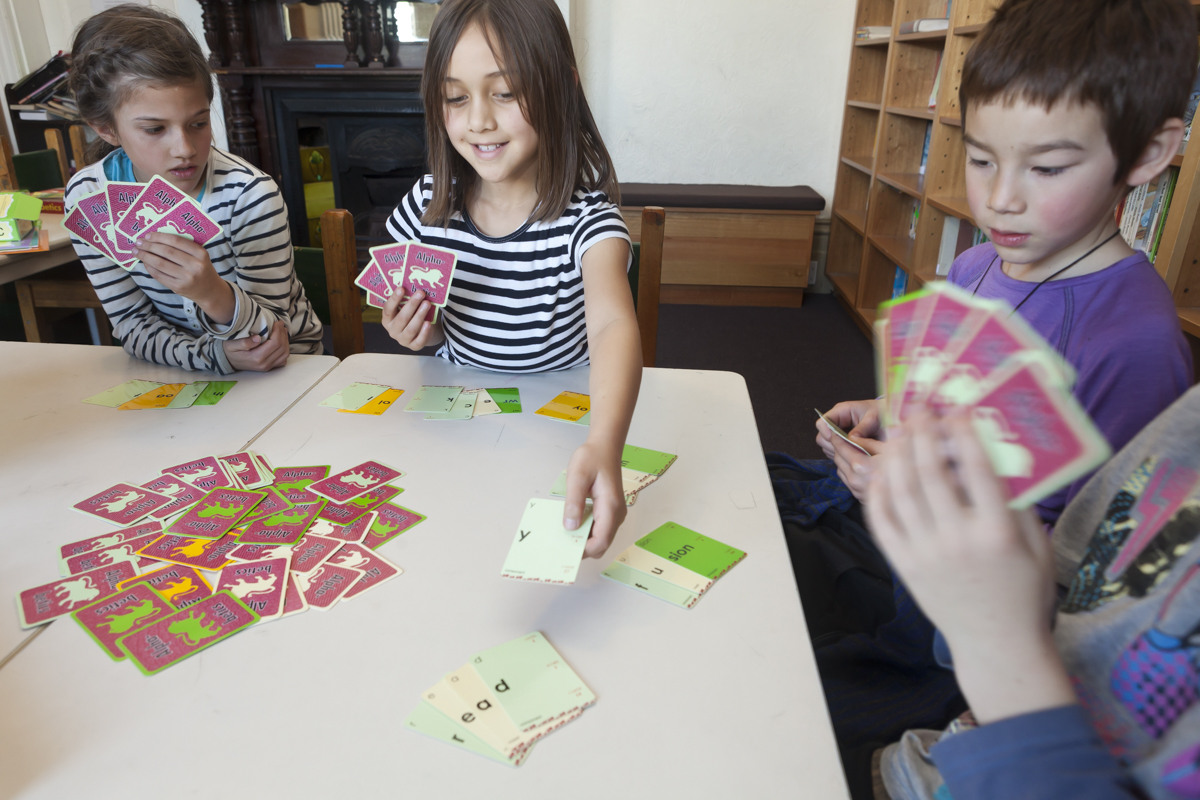
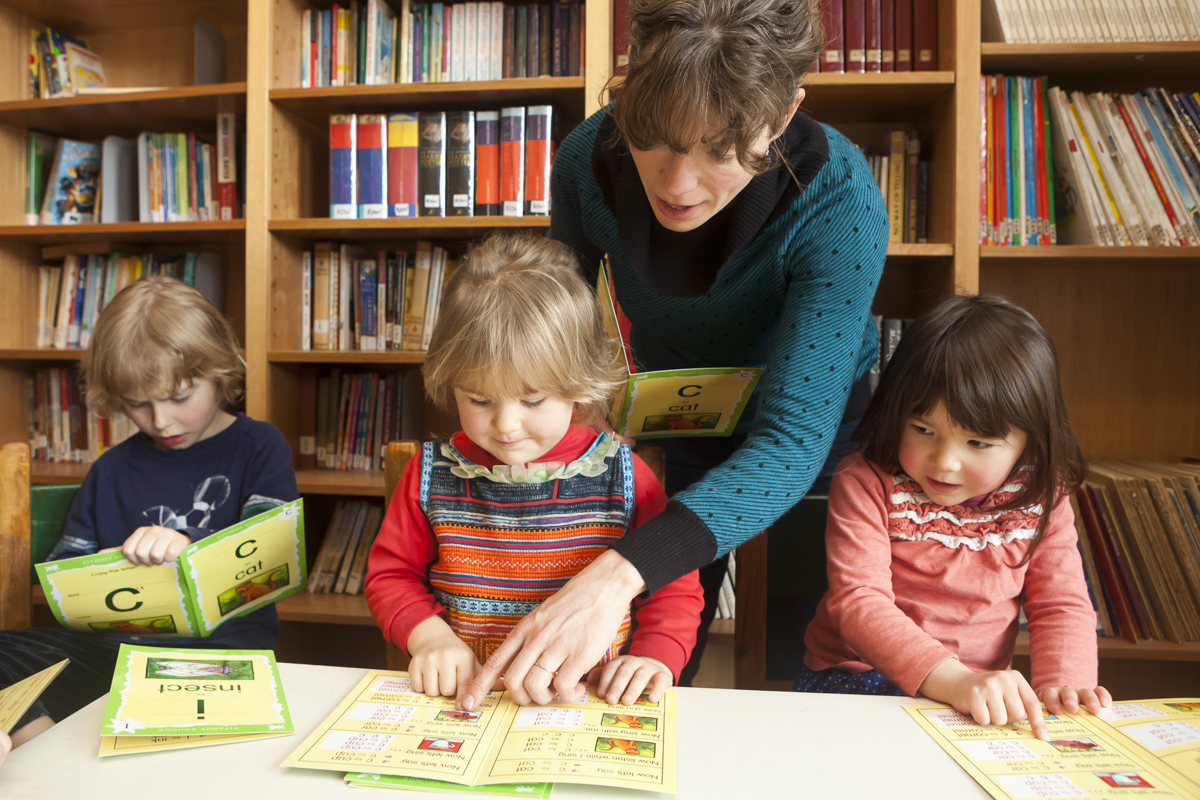
Fitzroy Community School has structured its lifestyle to encourage a love of learning and academic excellence, while allowing and assisting children to grow into full, good and viable human beings. Fitzroy Community School recognises children for what they are: physical, thinking and feeling beings. It allows them the time and space to develop these given attributes and to learn to express them responsibly. The positive spirit of the community surrounding the young person is another essential component.
Recognition of one's right to think, to express one's thoughts and to be heard, builds self-confidence. Time and space to develop and express one's opinions entails learning to give others the space and time to express theirs. As such, we develop respect for each other. Hand in hand with this development, comes the discovery that sometimes people hold different beliefs. The truly civilised art of modifying one's original opinion in light of new information, is established. Our experience is that an open, respectful exchange of ideas during the primary school years contributes to the emergence of adults with tolerant, enquiring dispositions.
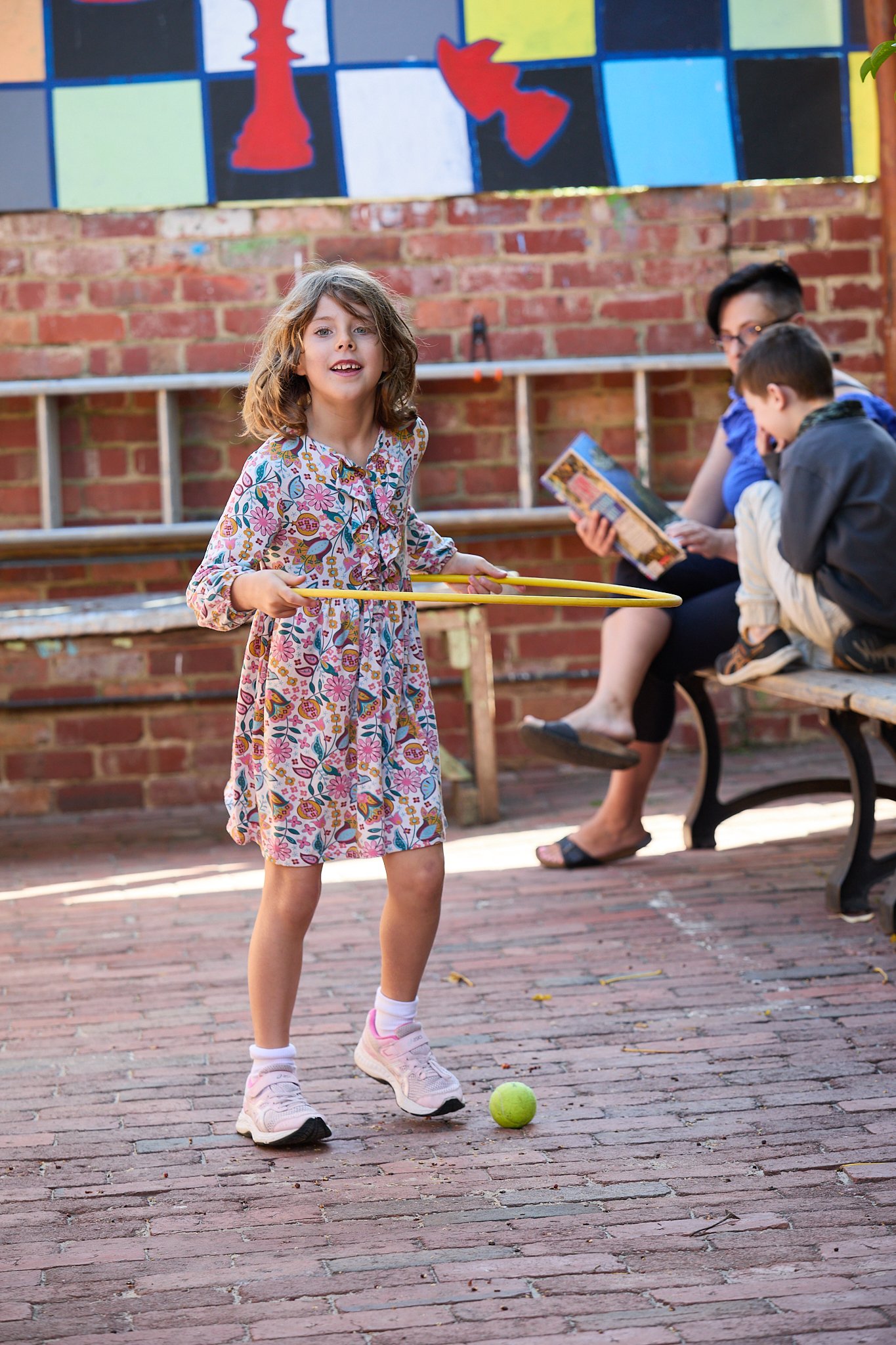
That Fitzroy Community School is different in kind, rather than in degree, may not be immediately evident. What often meets the eye of a visitors to the school, is happy children. The difference is subtle. But the difference becomes obvious through the child's development over time. Our past students demonstrate a love of learning and exude a faith in, and care for, their world. They use their unique qualities to advance their personal growth and for the good of others.
In choosing Fitzroy Community School or another school, the fundamental question is not really whether or not it is a nicer version of what is being offered down the road. The question is a much deeper one, about the effects of the structure of a school on the child – what the writer Ivan Illich calls the hidden curriculum.
Faye Berryman (founder)
The kitchen is the hub of the school, much like a family home. There is always a welcoming atmosphere, smells of food, pots of tea, and lots of conversation. At transition times, the kitchen swells with bodies, all looking to find out what is happening next and to fill up on a snack before heading to another class. Then the kitchen empties and everybody moves on to the next part of their day, fuelled with energy. It truly is the beating heart of the school.
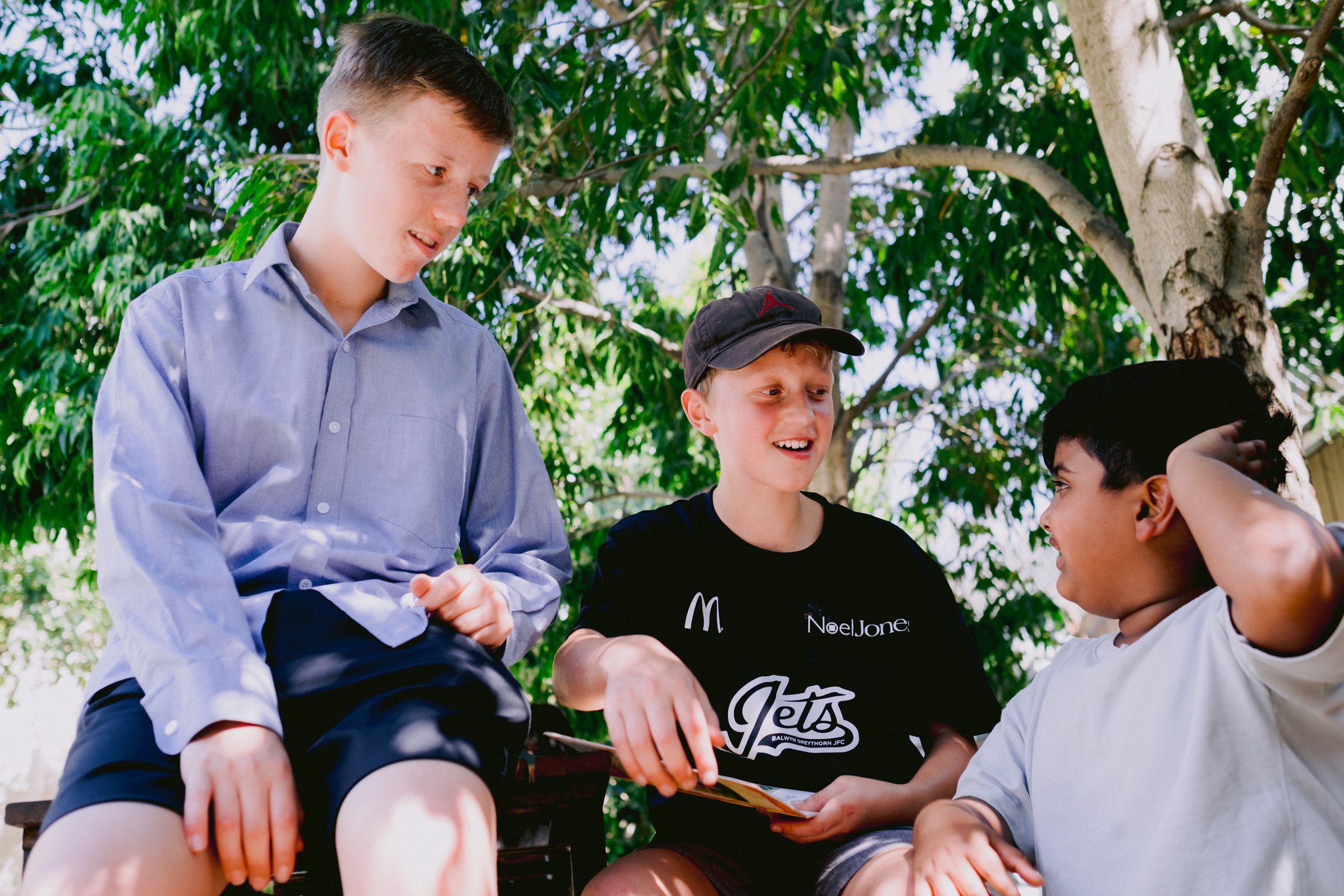
The Biggies (Grades 5-6) are the school's student leaders. They look out for everyone, displaying the nurturing quality of an older sibling. The Biggies are often seen helping Tinies who need lunch, looking for lost clothes or books, washing dishes, making sandwiches or sharpening pencils. The Biggies, through taking ownership of the culture and feeling in the school, contribute to its supportive culture and the general good feeling. The list of their ongoing contributions is very long: they are seen settling disputes between younger children, reading a story or washing and drying a pile of dishes, playing in the sandpit or having a game of chess.
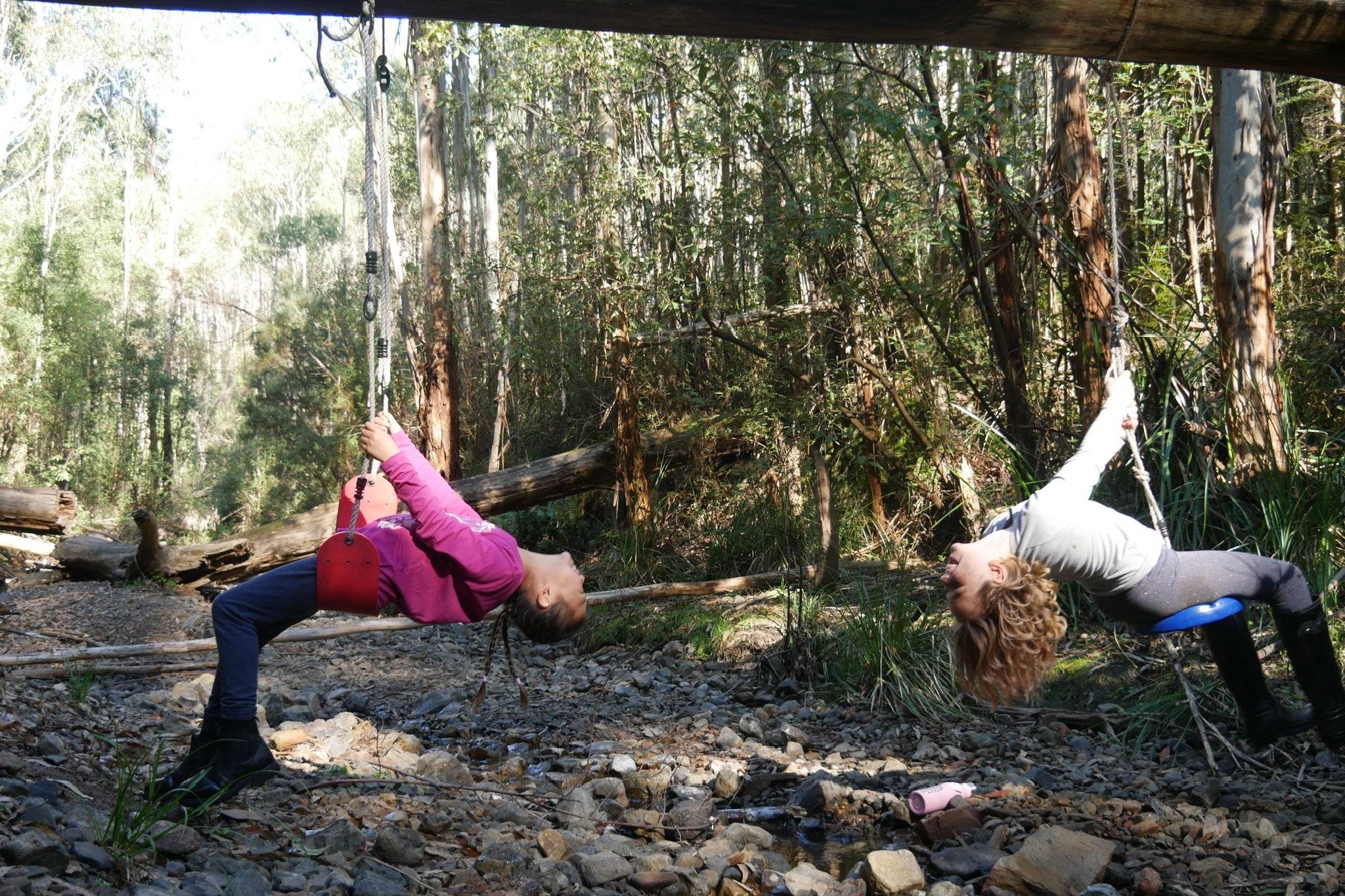
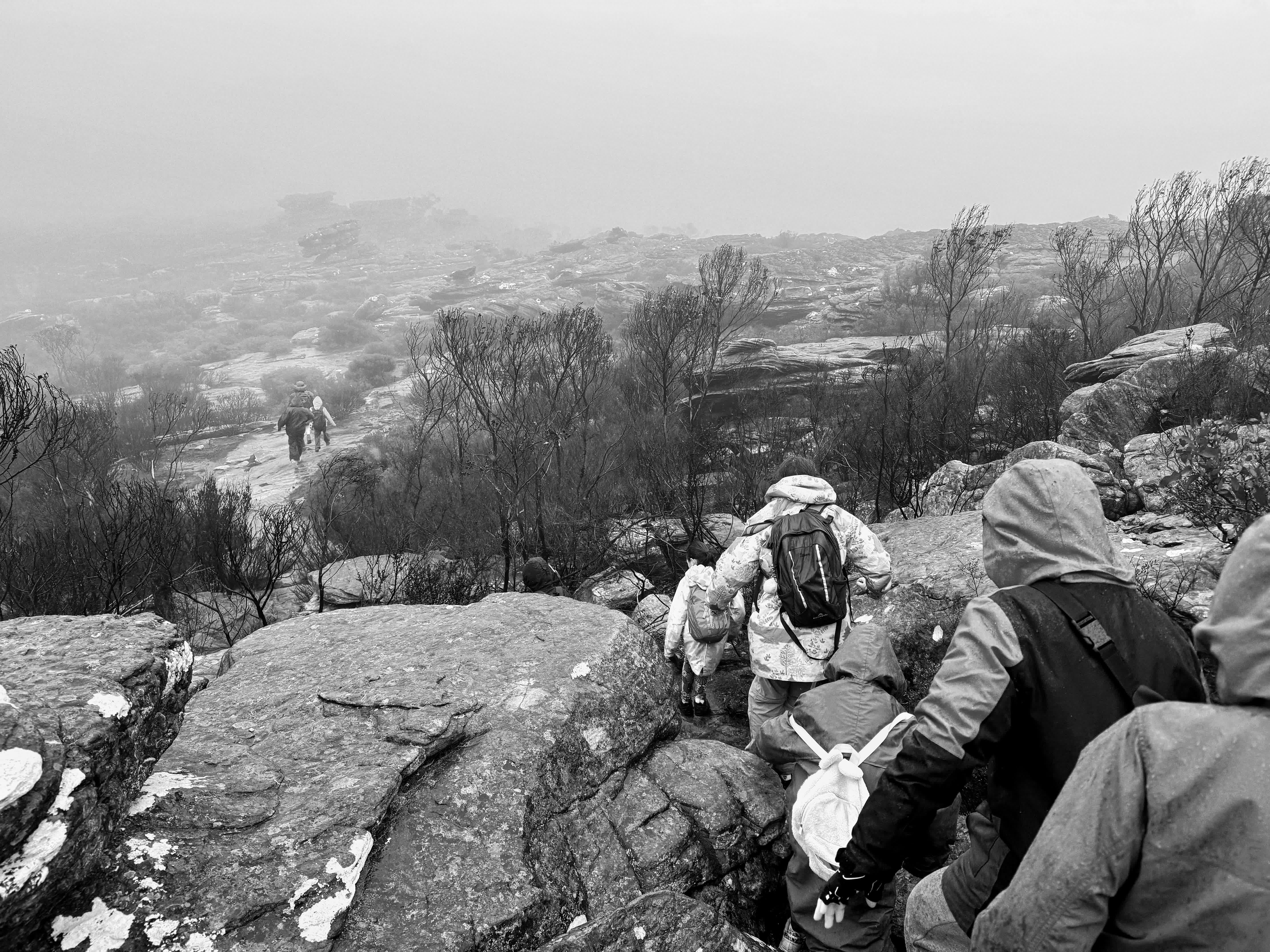
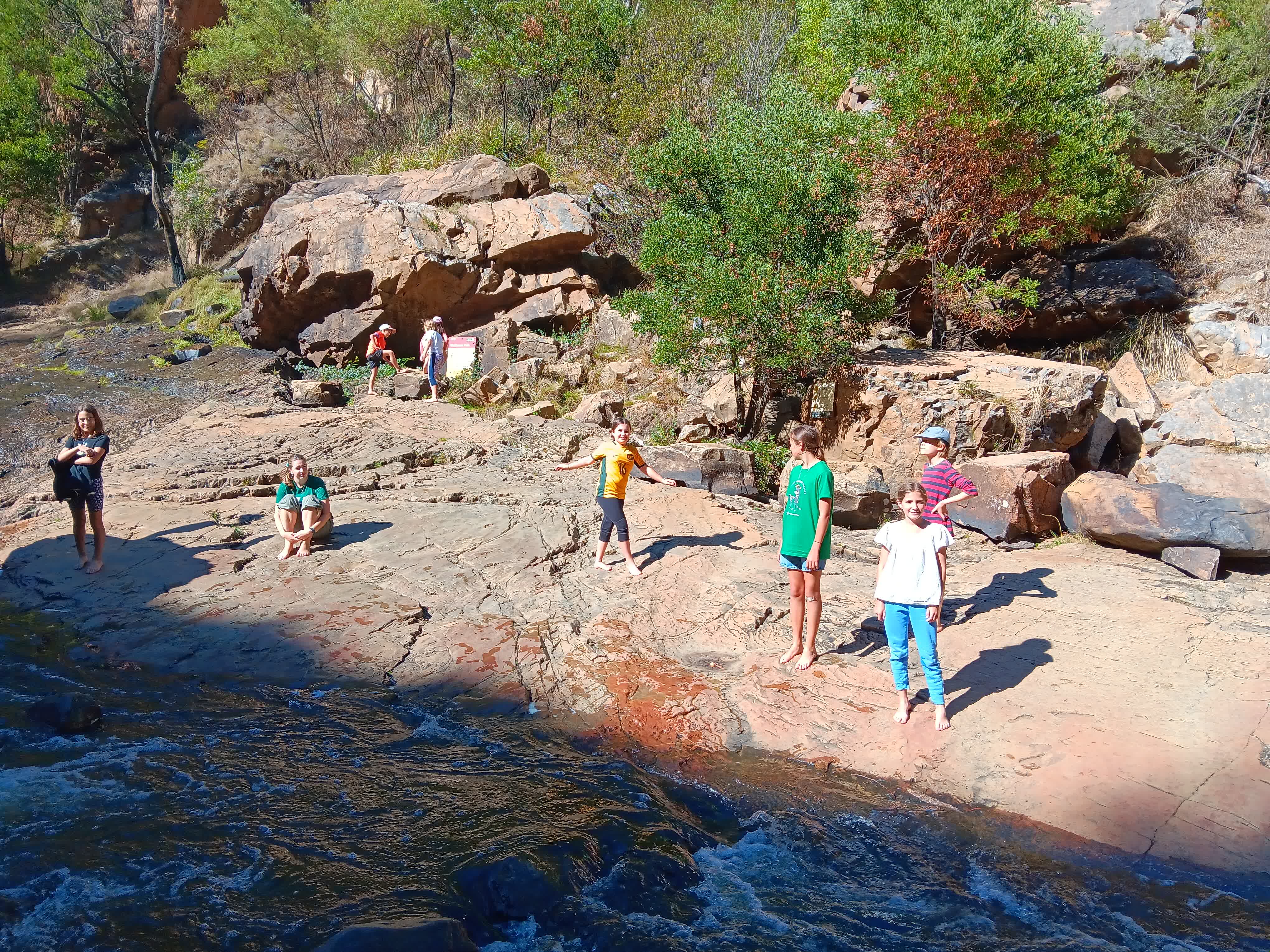
Camps and what comes out of camp experiences are prized at FCS. Children are encouraged to immerse themselves in their surroundings and to revel in countless childhood moments in nature and friendship. The children (and teachers) always return from a camp filled with stories of connection, learning and experiences that have stretched them. As these stories accumulate over a school year, every individual at FCS feels a unique sense of belonging to the school and one another.
FCS is a no-device school. This reflects our mission of raising community minded children with good inter-personal communication skills. Our sad observation is that the ongoing use of screens has a detrimental impact on the development of empathy. In a school that places a premium on raising good people, screens are necessarily assigned a minor role. In terms of skills acquisition, screens have a highly detrimental impact on most children’s ability to concentrate and remain focused.